Elderly Care Decisions: Comparing Expenses, Providers, and Benefits of Assisted Living and Memory Care
Business Name: BeeHive Homes of Levelland
Address: 140 County Rd, Levelland, TX 79336
Phone: (806) 452-5883
BeeHive Homes of Levelland
Beehive Homes of Levelland assisted living care is ideal for those who value their independence but require help with some of the activities of daily living. Residents enjoy 24-hour support, private bedrooms with baths, medication monitoring, home-cooked meals, housekeeping and laundry services, social activities and outings, and daily physical and mental exercise opportunities. Beehive Homes memory care services accommodates the growing number of seniors affected by memory loss and dementia. Beehive Homes offers respite (short-term) care for your loved one should the need arise. Whether help is needed after a surgery or illness, for vacation coverage, or just a break from the routine, respite care provides you peace of mind for any length of stay.
140 County Rd, Levelland, TX 79336
Business Hours
Families typically do not begin looking into senior care due to the fact that life is calm and orderly. Something has moved. A parent left the range on, a partner with dementia roamed outside during the night, or the caregiver simply can not stay up to date with medications, laundry, home maintenance, and constant supervision. By the time I fulfill households expertly, they are generally tired, stressed, and overwhelmed by options: assisted living, memory care, respite care, in‑home assistance, or some combination of all of these.
Choosing between assisted living and memory care is not simply a financial choice. It is about safety, dignity, and what life will actually feel like for the individual you enjoy. The brochures tend to flatten the distinctions into a few marketing expressions. In practice, the space can be large, and moving twice (from assisted living to memory care) is disruptive, both mentally and financially.
This post walks through how these options vary in services, staffing, environment, and cost, and how to match them to real‑world situations instead of abstract descriptions.
What assisted living actually provides
Assisted living outgrew a basic concept: lots of older adults do not require a nursing home, but they also can not or do not wish to manage alone in your home. The goal is to blend real estate and assistance in such a way that protects independence.
In most states, assisted living citizens reside in private or semi‑private apartment or condos with a small cooking area or kitchenette, a bathroom adjusted for safety, and access to typical areas such as dining-room, activity spaces, and in some cases outdoor yards. The building looks less clinical than a nursing home. Numerous homeowners still drive, go out with friends, or travel, although they may depend on personnel for medication pointers or aid with bathing.
From a services viewpoint, assisted living is developed around assist with activities of daily living: bathing, dressing, grooming, toileting, and transfers. Personnel can likewise assist with medications, often using a central med cart or pharmacy blister loads. Housekeeping, laundry, and meals are usually included in the base rate.
What assisted living is not created for is high‑risk behavior or complex cognitive problems. Personnel are typically not equipped for regular wandering, exit‑seeking, aggression activated by dementia, or residents who can not safely call for help when they need it. Regulations differ, but there is usually a limitation to just how much healthcare or hands‑on help an assisted living facility can legally provide before a resident needs either memory care or a nursing home.
A great way to consider assisted living is that it fits older grownups who require structure, support, and some guidance, however can still take part in their own safety. They can press a call button, follow easy instructions, and comprehend why particular limits exist.
What memory care adds on top of assisted living
Memory care looks comparable on the surface: private or shared rooms, meals, housekeeping, activities. The important distinctions sit behind the scenes in staffing, developing style, shows, and policy.
Memory care units are particularly created for residents with Alzheimer's illness and other dementias. The design generally includes a secured border with controlled exits. Hallways are often much shorter, circular, or designed to decrease dead ends that can intensify agitation. Color hints, large signs, and visual landmarks assist locals orient. Outdoor spaces are either totally enclosed or thoroughly supervised.
The staffing pattern is much heavier. Where an assisted living flooring may have one caregiver for 10 to 15 locals throughout the day, memory care might go for something like one caretaker for 5 to 8 homeowners, depending on the state and the operator. Staff are trained to manage habits such as sundowning, repeated questioning, exit‑seeking, and resistance to care. Training includes methods for redirection, non‑pharmacologic calming methods, and safe handling when residents set out or effort hazardous movements.
Programming in memory care is purpose‑built to match cognitive levels. Rather of an arranged lecture, you are more likely to see sensory stimulation, music tailored to the resident's era, brief tactile jobs, easy baking activities, or folding laundry as a relaxing, purposeful routine. Activities are much shorter, more frequent, and not dependent on memory retention. Personnel comprehend that you might run the very same group 5 times in a week with a lot of the very same individuals, which is fine.
Medication oversight is tighter as well. Residents frequently have numerous psychedelic medications that require mindful timing, especially for sleep, habits management, and state of mind. In my experience, great memory care systems work carefully with geriatricians or geriatric psychiatrists and are more proactive about tracking patterns in habits that suggest a medical problem such as discomfort, infection, or delirium.
Safety expectations are likewise different. In memory care, the group presumes residents will forget directions, misinterpret risks, and stroll into situations they would when have actually avoided. The entire environment is constructed for that reality.
The fuzzy zone in between the two
Families seldom have a cool box to fit their loved one into. I frequently hear variations on the same worry: "Mom is absent-minded, but she still dresses herself and has long discussions. Does she actually need memory care?" Or the inverse: "Dad is physically strong and moves quickly. He roams, however he is not 'that bad' yet. Would assisted living be enough?"
The response beings in a couple of useful questions.
First, is the individual safe in an environment that is not locked or continually monitored? If a resident has actually currently opened a door and ignored home, or has actually left the range on more than once, it is dangerous to position them somewhere with open exits. Unlike a single‑family home, assisted living structures have multiple exits, more traffic, and more chances to escape without somebody discovering immediately.
Second, how does the individual react to unfamiliar environments and instructions? Someone with early dementia who follows triggers and accepts assistance can often do well in assisted living with a strong memory care program on site for future shift. Someone who becomes scared, paranoid, or resistant when they do not recognize a place may do much better starting in memory care where the routine is tighter and personnel are used to those reactions.
Third, what is the forecasted trajectory? Dementia is progressive. If a person is just hardly safe for assisted living at move‑in, they may rapidly cross into needing memory care, which second relocation can be disorienting and emotionally unpleasant. I in some cases encourage households to favor the environment that will still fit the individual in two years, not just at this moment, particularly if finances can sustain the greater level of care.
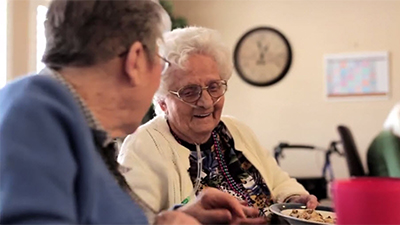
There are likewise residents in assisted living who technically get approved for memory care however remain where they are due to the fact that of long relationships with personnel and peers. That can work when the building is reasonably little, staff understand the resident deeply, and threats are workable. It stops working when roaming, aggression, or considerable incontinence ended up being day-to-day realities.
How expenses actually compare
On paper, assisted living almost always costs less than memory care. In practice, the comparison can be misguiding if you look just at base rates.
In many markets, a private assisted living house may begin in the range of 3,500 to 6,000 dollars per month, sometimes greater in large cities or high-end neighborhoods. Memory care often starts around 5,000 to 8,000 dollars. These are broad varieties, and some high‑end neighborhoods charge far more, however they provide you a sense of scale.
Assisted living pricing normally consists of lease, standard utilities, some level of activities, and meals. Care is then added in tiers or point systems. A resident who needs just medication management might pay a couple of hundred dollars more per month. Somebody who requires comprehensive aid with bathing, dressing, and mobility may layer on 1,000 to 2,500 dollars or more in care fees. If a resident ends up being incontinent, starts to require 2 employee for transfers, or starts calling out often during the night, the month-to-month expense can leap significantly.
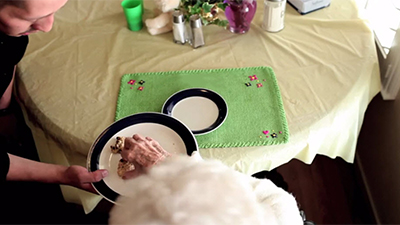
Memory care typically looks more costly in advance, but it often bundles a higher level of care into the base rate. The presumption is that a lot of homeowners will require help with several everyday jobs and will have cognitive disability that requires more intensive guidance. There might still be tiers, however the range in between the most affordable and highest is smaller, since everyone is already starting at a greater baseline of need.
There are less apparent expense factors too. For example, if you position an individual with moderate dementia in assisted living to "conserve cash" and they repeatedly wander out or withstand care, the center may require a one‑to‑one caretaker for amount of times that the household should spend for, or may give notice that the resident should transfer to memory care. Each crisis, hospital visit, and short‑term service adds cost.
On the other hand, some households opt for private in‑home caregivers integrated with adult day programs to delay any move at all. In‑home care at 25 to 35 dollars per hour for 8 hours a day, 7 days a week, rapidly surpasses 5,000 to 7,000 dollars each month, not consisting of lease or home upkeep. That might still be worth it for some, particularly if a partner deeply wishes to keep their partner in your home and has the resources to do so.
One more angle is the length of time someone will live at that care level. If a relatively healthy person with moderate dementia goes into memory care, it is not unusual for them to live numerous years, often more than 5 or 7. If financial resources are tight, even a 500 dollar regular monthly distinction between assisted living and memory care amounts to tens of thousands over the total stay. That is a genuine trade‑off, and households need clear projections rather than wishful thinking.
Insurance, public advantages, and what they actually cover
A common surprise for families is discovering that conventional Medicare does not spend for assisted living or memory care space and board. It might cover physician visits, treatment, and some medical materials, however not the core residential cost.
Some long‑term care insurance coverage do aid with both assisted living and memory care, however just if the policy language clearly covers "assisted living facilities" or "residential care facilities" and if the resident fulfills specified criteria for requiring help with activities of daily living or for cognitive problems. It is vital to review the policy years before you need it if possible, and once again at the time of claim, since misconceptions about waiting durations, day-to-day advantage maximums, and inflation riders can hinder planning.
For veterans, Help and Participation benefits can contribute substantial monthly support that can be applied to assisted living or memory care. These programs include paperwork and eligibility criteria, but when they fit, they can make the distinction between barely handling and having enough to choose a suitable setting.
Medicaid coverage is complex and highly state‑specific. Some states have Medicaid waivers that help pay for assisted living or memory care, however not all structures accept them, or there might be restricted designated systems. Even when readily available, the process to certify can take months, and some neighborhoods need a minimum period of personal pay before accepting a Medicaid shift. Preparation around this truth is a key part of responsible financial decision‑making, instead of assuming that "Medicaid will action in later" without checking.
Services and staffing: what to search for beyond the brochure
When choosing in between assisted living and memory care, focus less on abstract labels and more on what a day would really look and feel like for your family member.
Ask how medication administration works. In some buildings, med passes are hurried, with one nurse covering a large floor. In others, there suffices personnel to spend a moment with each resident, check their swallowing, and notification agitation or confusion.
Observe dining. In assisted living, homeowners normally walk or wheel into the dining room, read menus, and location orders. In memory care, staff may utilize image menus, pre‑plated meals, or one‑to‑one help at the table. Enjoy whether locals are consuming or simply pressing food around. Food consumption is frequently the very first thing to weaken when a person is overwhelmed.
Activity calendars can be misleading. Fifteen products printed on a page do not imply fifteen meaningful experiences. Take a look at whether personnel in fact lead activities, or if residents are clustered around a television the majority of the time. In good memory care programs, you see staff interesting homeowners throughout transitions: folding towels in between meals, walking with them in the halls, providing hand massages, and using music not just during "music hour" but throughout the day.
Staff turnover is another quiet marker. High turnover breaks continuity, particularly for citizens with dementia who rely on familiar faces and voices. It is sensible to ask the director the length of time their core care personnel have existed, and what they do to keep them.
Finally, ask openly how the building decides a resident is no longer suitable for that level of care. A sincere director will describe specific triggers: repeated wandering occurrences, regular physical aggression, uncontrolled habits in the evening, or medical intricacy beyond their license. You would like to know whether the most likely future of your loved one fits within that structure's convenience zone.
How respite care fits into the picture
Respite care is short‑term remain in an assisted living or memory care setting, usually from a few days to a couple of weeks. Families frequently think about it only as a break for the caretaker, but it can serve a number of purposes in the choice process.
For caretakers who are on the fence, a respite stay can operate as a trial respite care near me run. A person with moderate dementia might enter into assisted living respite while their primary caretaker journeys. If they adjust well, participate in activities, and reveal no safety problems, that tells you one story. If they end up being extremely nervous, attempt to leave, or need more hands‑on help than prepared for, personnel may gently suggest that memory care would fit better if a move ends up being permanent.
Respite care in memory systems is equally important. It enables personnel to examine how an individual with dementia functions in a structured environment. I have seen families choose not to move forward with permanent positioning since the respite stay exposed that the person was doing far better in your home than they recognized, or on the other hand, since it became crystal clear just how much stress the main caregiver was under.
From a simply human angle, respite care secures caretakers from burnout. A spouse taking care of somebody with dementia in your home frequently disregards their own health. A week or two of respite can give them time for medical visits, sleep, and psychological rest, which in turn may extend the duration they can securely continue home care.
Financially, respite is usually billed at an everyday rate that includes room, board, and care. The per‑day expense is greater than the comparable regular monthly rate, however because the stay is brief, it can still be workable. Some long‑term care policies reimburse respite, however it depends upon the contract language.
A simple contrast you can keep in your head
List 1: Key distinctions in between assisted living and memory care
- Safety design: Assisted living is generally unsecured, with homeowners anticipated to stay in safe locations voluntarily. Memory care uses protected doors, enclosed courtyards, and streamlined designs to manage roaming threat.
- Staffing strength: Assisted living often has greater resident‑to‑staff ratios and more self-reliance. Memory care offers more hands‑on assistance and behavior management training.
- Program focus: Assisted living activities assume some memory, attention, and self‑direction. Memory care activities are much shorter, recurring, sensory‑based, and adapted for cognitive loss.
- Cost structure: Assisted living usually begins lower however can climb with included care needs. Memory care starts higher but typically packages more services.
- Appropriateness: Assisted living fits those who can participate in their own security and understand standard cues. Memory care fits those with moderate to innovative dementia, wandering, or behavioral symptoms.
This mental list is not ideal, however it anchors your thinking as you consult with communities.
Emotional truths and family dynamics
Elderly care decisions hardly ever depend upon facts alone. Guilt, guarantees made years ago, brother or sister disputes, and generational expectations all form what feels acceptable.

Many adult children battle with the idea of locking doors around a parent. Relocating to memory care feels like a step that admits the dementia is "that bad." Others associate memory care with the most innovative phases they have seen, possibly a relative who no longer acknowledged anybody. Positioning a still‑recognizable, conversational parent in that environment feels premature.
On the other hand, caretakers at home, frequently spouses in their seventies or eighties, might reduce danger out of love and practice. "He just roamed when." "She just gets aggressive when she is tired." They remember the complete person, not simply the disease. When I sit with them, I attempt not to argue with their memories. Rather, we speak about concrete threats and what a typical week resembles now, hour by hour. The level of fatigue that surfaces in those conversations typically changes their perspective.
Siblings can disagree, specifically if one lives neighboring and carries more of the daily load. The distant sibling may prefer assisted living to preserve independence, not totally grasping how much behind‑the‑scenes guidance the local caregiver is offering. Often a structured respite stay reveals the ground fact more plainly than any family discussion.
It helps to bear in mind that a relocate to assisted living or memory care is not a failure of love. It is a modification in the care setting when the home environment can not securely or sustainably satisfy the person's requirements. Framing the relocation as a shift from "doing it all yourself" to "leading the care group" can assist families reorient.
Questions to ask when touring communities
List 2: Practical questions to assist your visits
- "Explain a resident who is not appropriate for this level of care. What happens when somebody reaches that point?"
- "What is your average staff‑to‑resident ratio on days, evenings, and nights, and how often do you utilize firm personnel?"
- "How do you support residents who wander, resist bathing, or become upset? Can you offer current examples?"
- "If my parent's dementia progresses, can they remain in this structure, or would they require to relocate to another place?"
- "What increases in monthly cost should I anticipate as care needs change, and can you reveal genuine examples of existing resident cost structures, with names gotten rid of?"
The objective is not to capture anybody out, but to draw out concrete descriptions instead of general reassurances.
Matching setting to real‑world situations
Different circumstances require various choices, even when diagnoses look similar on paper.
A widowed parent with early‑stage dementia, still driving however progressively lonely and missing dosages of medication, might grow in assisted living, particularly one with a strong memory center nearby and structured activities. The social engagement and regular meals can slow practical decline.
By contrast, a physically robust person with moderate Alzheimer's who has actually already roamed from home more than once, ends up being suspicious at night, and periodically lashes out when confused, is usually safer in memory care from the start, even if they can presently bathe or dress with just prompting.
If a frail spouse with numerous medical issues and early dementia deals with a partner in their eighties who manages relatively well but is overwhelmed by hands‑on care, a hybrid plan might assist: in‑home caretakers throughout the day, adult day memory programs numerous days a week, and set up respite care in memory systems a few times a year. That pattern typically extends the duration they can remain together in the house before thinking about permanent placement.
There are likewise times when medical intricacy eclipses the cognitive problem. Somebody on regular oxygen, reoccurring IV antibiotics, or needing skilled injury care may require a nursing center no matter whether dementia exists. Assisted living and memory care are not alternatives to knowledgeable nursing when the clinical requirements are that high.
Bringing it all together
Choosing between assisted living and memory care is less about chasing the ideal option and more about finding the setting that finest aligns with the individual's safety needs, character, disease trajectory, and monetary reality. What matters most is the quality of the care group, the fit between the environment and the person's behavior patterns, and the sustainability of the plan for both the resident and the family.
Respite care, discussions with physicians who understand geriatric and memory disorders, and honest talks with center directors typically clarify the path. Households who do finest are not the ones who find a magic option, but the ones who stay open up to changing the strategy as the illness evolves.
Senior care and elderly care are long journeys, not single choices. When you select an assisted living or memory care setting, you are not locking in your fate. You are selecting the next ideal action in a procedure that will keep unfolding. If you ground that step in clear details, sincere self‑assessment, and respect for the person's dignity and safety, you are on solid footing.
BeeHive Homes of Levelland provides assisted living care
BeeHive Homes of Levelland provides memory care services
BeeHive Homes of Levelland provides respite care services
BeeHive Homes of Levelland supports assistance with bathing and grooming
BeeHive Homes of Levelland offers private bedrooms with private bathrooms
BeeHive Homes of Levelland provides medication monitoring and documentation
BeeHive Homes of Levelland serves dietitian-approved meals
BeeHive Homes of Levelland provides housekeeping services
BeeHive Homes of Levelland provides laundry services
BeeHive Homes of Levelland offers community dining and social engagement activities
BeeHive Homes of Levelland features life enrichment activities
BeeHive Homes of Levelland supports personal care assistance during meals and daily routines
BeeHive Homes of Levelland promotes frequent physical and mental exercise opportunities
BeeHive Homes of Levelland provides a home-like residential environment
BeeHive Homes of Levelland creates customized care plans as residents’ needs change
BeeHive Homes of Levelland assesses individual resident care needs
BeeHive Homes of Levelland accepts private pay and long-term care insurance
BeeHive Homes of Levelland assists qualified veterans with Aid and Attendance benefits
BeeHive Homes of Levelland encourages meaningful resident-to-staff relationships
BeeHive Homes of Levelland delivers compassionate, attentive senior care focused on dignity and comfort
BeeHive Homes of Levelland has a phone number of (806) 452-5883
BeeHive Homes of Levelland has an address of 140 County Rd, Levelland, TX 79336
BeeHive Homes of Levelland has a website https://beehivehomes.com/locations/levelland/
BeeHive Homes of Levelland has Google Maps listing https://maps.app.goo.gl/G3GxEhBqW7U84tqe6
BeeHive Homes of Levelland Assisted Living has Facebook page https://www.facebook.com/beehivelevelland
BeeHive Homes of Levelland Assisted Living has YouTube page https://www.youtube.com/@WelcomeHomeBeeHiveHomes
BeeHive Homes of Levelland won Top Assisted Living Homes 2025
BeeHive Homes of Levelland earned Best Customer Service Award 2024
BeeHive Homes of Levelland placed 1st for Senior Living Communities 2025
People Also Ask about BeeHive Homes of Levelland
What is BeeHive Homes of Levelland Living monthly room rate?
The rate depends on the level of care that is needed. We do an initial evaluation for each potential resident to determine the level of care needed. The monthly rate is based on this evaluation. There are no hidden costs or fees
Can residents stay in BeeHive Homes until the end of their life?
Usually yes. There are exceptions, such as when there are safety issues with the resident, or they need 24 hour skilled nursing services
Do we have a nurse on staff?
No, but each BeeHive Home has a consulting Nurse available 24 – 7. if nursing services are needed, a doctor can order home health to come into the home
What are BeeHive Homes’ visiting hours?
Visiting hours are adjusted to accommodate the families and the resident’s needs… just not too early or too late
Do we have couple’s rooms available?
Yes, each home has rooms designed to accommodate couples. Please ask about the availability of these rooms
Where is BeeHive Homes of Levelland located?
BeeHive Homes of Levelland is conveniently located at 140 County Rd, Levelland, TX 79336. You can easily find directions on Google Maps or call at (806) 452-5883 Monday through Sunday 9:00am to 5:00pm
How can I contact BeeHive Homes of Levelland?
You can contact BeeHive Homes of Levelland by phone at: (806) 452-5883, visit their website at https://beehivehomes.com/locations/levelland/,or connect on social media via Facebook or YouTube
Residents may take a trip to Noemi's Place . Noemi’s Place offers a welcoming local dining experience where residents in assisted living, memory care, senior care, and elderly care can enjoy meals with loved ones or caregivers as part of comfortable and meaningful respite care outings.